



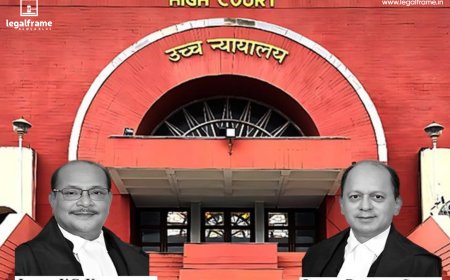







The Cooperative Societies cannot be treated as public authority.; Bombay High Court J
In this case, the petitioner, Jalgaon Jillha Urban Cooperative Bank, argued that it should not fall under the scope of the Right to Information Act, 2005 (RTI Act). The bank claimed that as a cooperative institution registered under the Cooperative Societies Act, it is not a "public authority" as defined in Section 2(h) of the RTI Act. It further contended that it does not receive any financial assistance from the government, nor is it under government control, and therefore, the provisions of the RTI Act should not apply to it. The bank also cited Section 34A of the Banking Regulation Act, 1949, stating that it restricts disclosure of certain sensitive and confidential banking information, which reinforces its claim of exemption from the RTI obligations. However, the court considered the role of authorities like the Registrar of Cooperative Societies, who are appointed under state legislation and exercise regulatory oversight over cooperative societies. The court noted that such authorities are indeed "public authorities" under the RTI Act and hold information about cooperative institutions. Under Section 2(f) of the RTI Act, any information accessible by a public authority can be requested under RTI—even if it pertains to a private entity. Points to be noted : • A cooperative bank may not be directly classified as a public authority. • However, if public officials (like the Registrar) who regulate the cooperative sector possess relevant information, it is subject to RTI requests. • Confidential banking information may still be protected under exemptions like Section 8 of the RTI Act or Section 34A of the Banking Regulation Act.

Files
What's Your Reaction?